
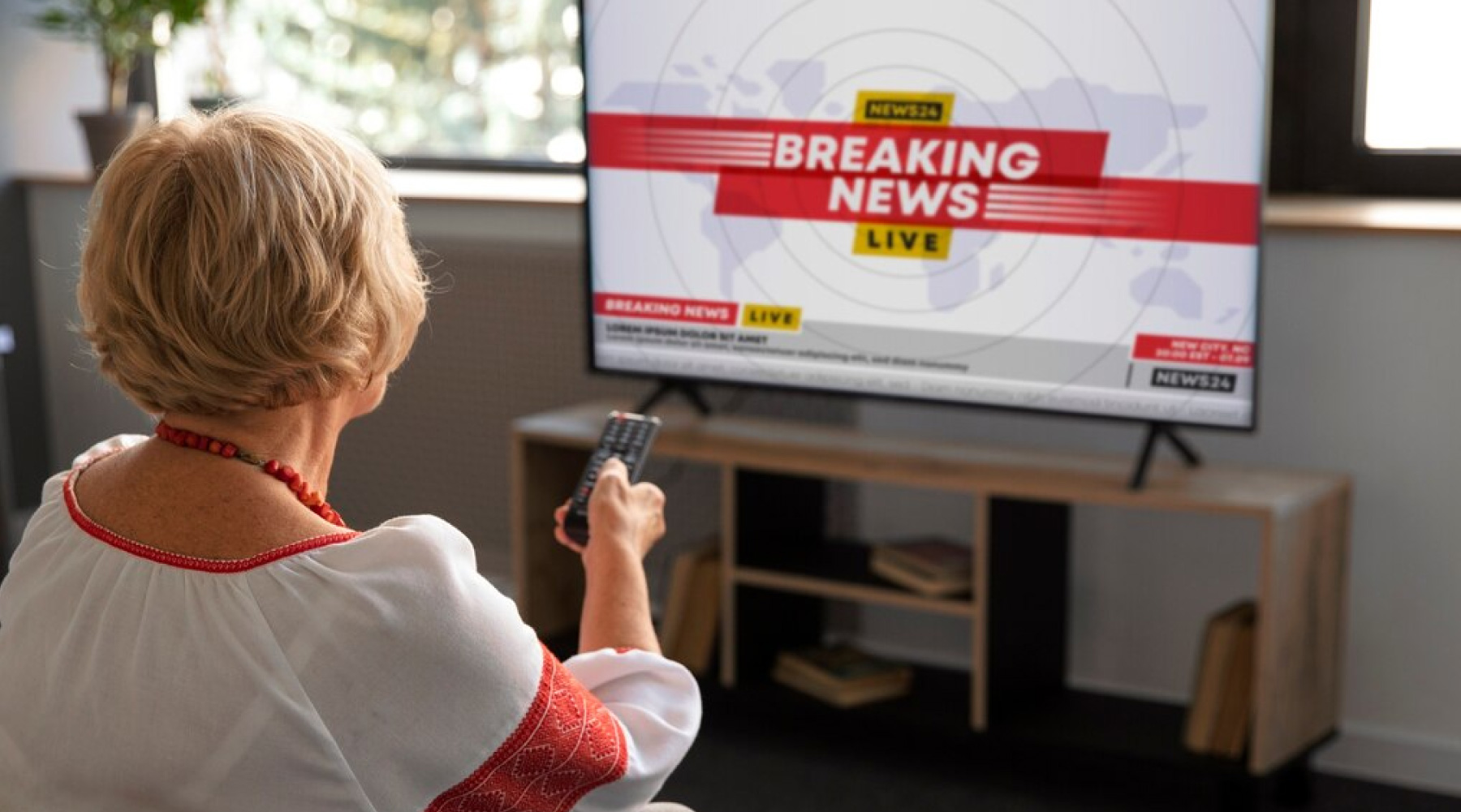
Despite the rapid rise of digital channels, television advertising remains one of the most powerful media for reaching mass audiences and building long-term brand trust. However, TV advertising can be challenging for advertisers due to its complex pricing structures and multiple influencing variables. Determining TV advertising costs goes far beyond calculating a price per second; it requires strategic planning to reach the right audience, in the right program, at the right time.
A successful TV campaign is the result of strategic media planning that maximizes reach and memorability while using the budget efficiently. Understanding the key factors that influence TV advertising costs is the first step toward maximizing your return on investment (ROI).
At HF media, a Turkey-based advertising agency with strong expertise in traditional media, we deeply understand the dynamics of television advertising. We design the most effective media buying strategies based on optimal TV advertising costs, ensuring that every part of your media budget translates into high visibility and measurable brand impact.
In this comprehensive guide, we explore everything you need to know about TV advertising costs — from core pricing dynamics and program types to buying models and ROI optimization strategies.
Unlike digital advertising, TV advertising prices are not based on instant clicks but on estimated audience reach and market demand. To understand this complex structure, three core concepts are essential.
TV advertising costs depend primarily on the size and quality of the audience reached.
Rating: Represents the percentage of a specific target audience (e.g., 25–45 ABC1) watching a program out of the total potential audience. It forms the foundation of pricing.
Share: Indicates the proportion of viewers watching a specific program among all viewers watching TV at that moment, reflecting competitive strength.
GRP (Gross Rating Point): Measures total reach and frequency of a campaign. For example, 100 GRP theoretically means reaching 100% of the target audience once. TV advertising costs are typically planned and purchased based on GRP.
TV advertising costs are heavily influenced by supply-demand dynamics.
High Season (Prime Time): Typically from September to May, when high-rating programs such as TV series, major competitions, and sports events air. Audience size — and therefore TV advertising costs — are at their peak.
Low Season (Summer Period): With lower viewership, TV advertising prices decrease significantly. This period can offer cost-effective brand awareness opportunities.
Special Events: National holidays, elections, and major sports events (e.g., Champions League finals) can dramatically increase TV advertising costs due to sudden spikes in viewership.
Advertising within programs that closely match a brand’s target audience justifies higher costs. For example, advertising baby products during family-oriented or parenting programs may be more expensive, but conversion potential is significantly higher.
Television networks offer various advertising formats to suit different budgets and objectives, each with its own pricing model.
Classic commercials ranging from 5 to 60 seconds aired during or between programs.
Duration & Time Slot Impact: A 30-second spot costs more than a 15-second spot, and Prime Time placements (20:00–23:00) are significantly more expensive than daytime slots.
Pre/Post-Program Spots: Ads placed immediately before or after a program — especially first or last spots — are the most premium and highly demanded placements.
These formats associate a brand directly with content.
Program Sponsorship: Brand name appears in announcements such as “This program is sponsored by…”. Highly prestigious but costly.
Product Placement: Products are naturally integrated into program content. Pricing depends on screen time and verbal mentions.
Time Slot Sponsorship: Sponsoring specific time blocks like morning or post-news segments.
Displayed during program broadcasts without interrupting content.
Advantages: More affordable TV advertising costs and high visibility with minimal viewer disruption.
Longer formats (3–5 minutes or more) used mainly in off-prime hours. Suitable for detailed product demonstrations at lower costs.
Different buying models influence TV advertising costs and campaign effectiveness.
TV channels publish official rate cards, but these prices are rarely paid in full. Experienced media agencies can negotiate significant discounts due to purchasing power.
Advertisers purchase a guaranteed GRP volume. If the promised GRP is not delivered, the channel compensates with additional airtime, reducing risk and uncertainty.
The cost of reaching 1 rating point within the target audience. Media planners compare CPP values across channels and programs to optimize budget efficiency.
Channels may offer bundled packages including multiple formats or time slots. While cost-effective, they may include placements that are less relevant to the brand’s target audience.
Geographic coverage plays a crucial role in pricing.
Major national channels offer maximum reach across Turkey but come with the highest TV advertising costs — ideal for mass-market brands.
Channels targeting specific regions or themes (news, sports, children, music) offer niche targeting at significantly lower costs.
Advantages: Higher ROI potential for brands with defined audiences and controlled budgets.
Thematic channels on platforms such as Digiturk or Tivibu allow precise targeting with improved budget control.
Smart media planning ensures maximum efficiency from TV advertising investments.
Ensuring viewers see an ad enough times to remember it — without overspending — is critical. Typically, 3–10 exposures per viewer are considered optimal.
Prime Time: Essential for reach and impact but costly.
Off-Prime Time: Ideal for frequency goals and testing longer or informational ads at lower costs.
Direct sales attribution is challenging. Solutions include second-screen analysis, tracking spikes in website traffic or app downloads during ad broadcasts.
Running synchronized digital campaigns while TV ads are live helps convert TV-driven awareness into immediate digital action.
Navigating complex TV advertising costs requires an independent, data-driven agency partner.
HF media is not tied to any broadcaster. From Turkey, we plan campaigns solely based on your target audience, using rating and GRP data — not assumptions.
Thanks to our industry expertise and buying power, we negotiate the most competitive TV advertising costs on your behalf.
We provide transparent post-campaign reports covering GRP delivery, second-screen impact, and overall campaign performance.
When managed with the right strategy, TV advertising can dramatically elevate brand awareness and prestige. Success is not about spending more, but about spending smarter. Every decision — from time slot selection to GRP commitments — shapes the outcome of your campaign.
If you want to manage TV advertising costs transparently, efficiently, and with measurable results, HF media, a Turkey-based advertising agency serving global brands, is ready to support you.
Contact HF media today and start managing your TV advertising budget with maximum ROI and long-term brand impact.



Reach local and international travelers with Sabiha Gokcen Airport advertising. LED screens, digital CLP, lightboxes, terminal media and more by HF media.
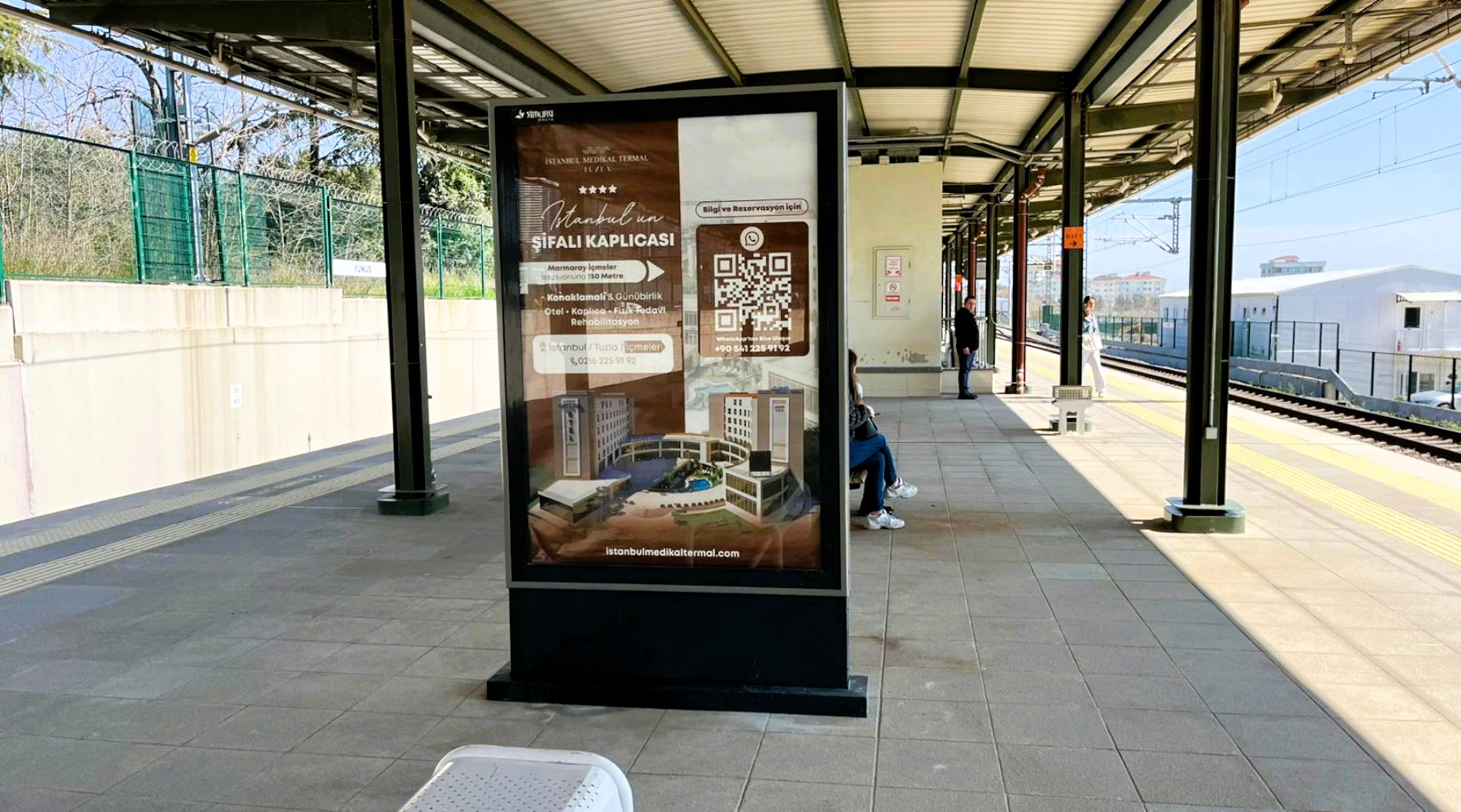
Discover HF media’s Marmaray CLP advertising campaign for Istanbul Medikal Thermal Hotel, featuring 200 advertising locations from Gebze to Halkalı and delivering strong brand visibility across Istanbul.
Discover the development process of Hexagon ISO Software, a web-based quality management system developed by HF media. Learn about requirements analysis, UX design, modular architecture, software development, and quality assurance.