

Public transportation in Istanbul, Turkey is not just a mobility solution—it is a massive, constantly moving advertising ecosystem. Among all transit channels, the Metrobus line stands out as one of the busiest, most uninterrupted, and most impactful advertising platforms. At the heart of this ecosystem is Vaga TV Advertising, a digital broadcast network that Metrobus passengers are inevitably exposed to throughout their journey.
Vaga TV combines the dynamic storytelling power of traditional television with the high-reach potential of digital out-of-home (DOOH) advertising. During long commutes, traffic congestion, or waiting periods, passengers have limited distractions, which leads to significantly higher attention rates toward the in-vehicle screens. For brands, this creates a unique opportunity to increase awareness and secure a lasting place in consumers’ minds through forced exposure.
So, how is the cost of advertising on this moving digital platform determined? What makes Vaga TV advertising prices fundamentally different from traditional TV commercials? In this comprehensive 2025 guide, we analyze the key cost drivers of Metrobus Vaga TV advertising, captive audience–based strategies, and how HF media, a Turkey-based advertising agency, leverages its expertise in this unique digital OOH channel.
Vaga TV is a network of digital screens installed inside Metrobus vehicles, which transport nearly 1 million passengers daily in Istanbul, Turkey. What differentiates Vaga TV from other digital or traditional TV channels is the psychological phenomenon known as the Captive Audience.
Thanks to these advantages, Vaga TV OOH investment becomes highly attractive for brands seeking high engagement with comparatively efficient budgets.
Vaga TV advertising pricing is shaped by a hybrid of DOOH and broadcast dynamics. The main cost determinants include:
Vaga TV ads typically run in 5, 10, 15, or 20-second formats. Longer spots increase costs, while concise messaging helps optimize the overall Metrobus Vaga TV cost. Short spots, when combined with high frequency, can still deliver strong brand recall.
Frequency refers to how often an ad is shown within a given time frame (e.g., once every 5 minutes). Higher frequency directly increases Vaga TV advertising prices, but also guarantees stronger reach and memorability.
Metrobus peak hours—07:00–10:00 and 17:00–20:00—offer maximum passenger density. Advertising during these periods requires a higher Vaga TV OOH budget compared to off-peak hours.
Longer campaigns reduce daily unit costs. HF media strongly recommends a minimum of one month, ideally three months, to ensure sustainable brand awareness and more competitive pricing.
Advertising across the entire Metrobus line differs in cost from targeting specific segments (e.g., Söğütlüçeşme–Zincirlikuyu). Strategic route selection improves efficiency and avoids unnecessary spend.
Vaga TV requires digital-ready content. If a brand does not already have suitable creative assets, production or adaptation costs—optimized for horizontal screens, short duration, and high contrast—are added to the total Vaga TV advertising budget.
To fully leverage forced exposure, Vaga TV content must be designed differently from traditional TV or standard OOH ads.
The technical infrastructure and audience density of the Metrobus make professional media planning essential.
Vaga TV advertising prices represent a strategic investment in one of Turkey’s most densely trafficked digital environments. As an essential part of daily Metrobus journeys, Vaga TV merges the strengths of television and DOOH advertising, delivering uninterrupted brand storytelling to millions in Istanbul.
If you want to embed your message in the minds of a constantly moving audience, transform waiting time into interaction, and use Metrobus Vaga TV costs with maximum efficiency, trust the expertise of HF media, a Turkey-based advertising agency specializing in digital OOH and audience psychology.
Contact us today for competitive pricing, strategic planning, and international-standard media solutions from Turkey.
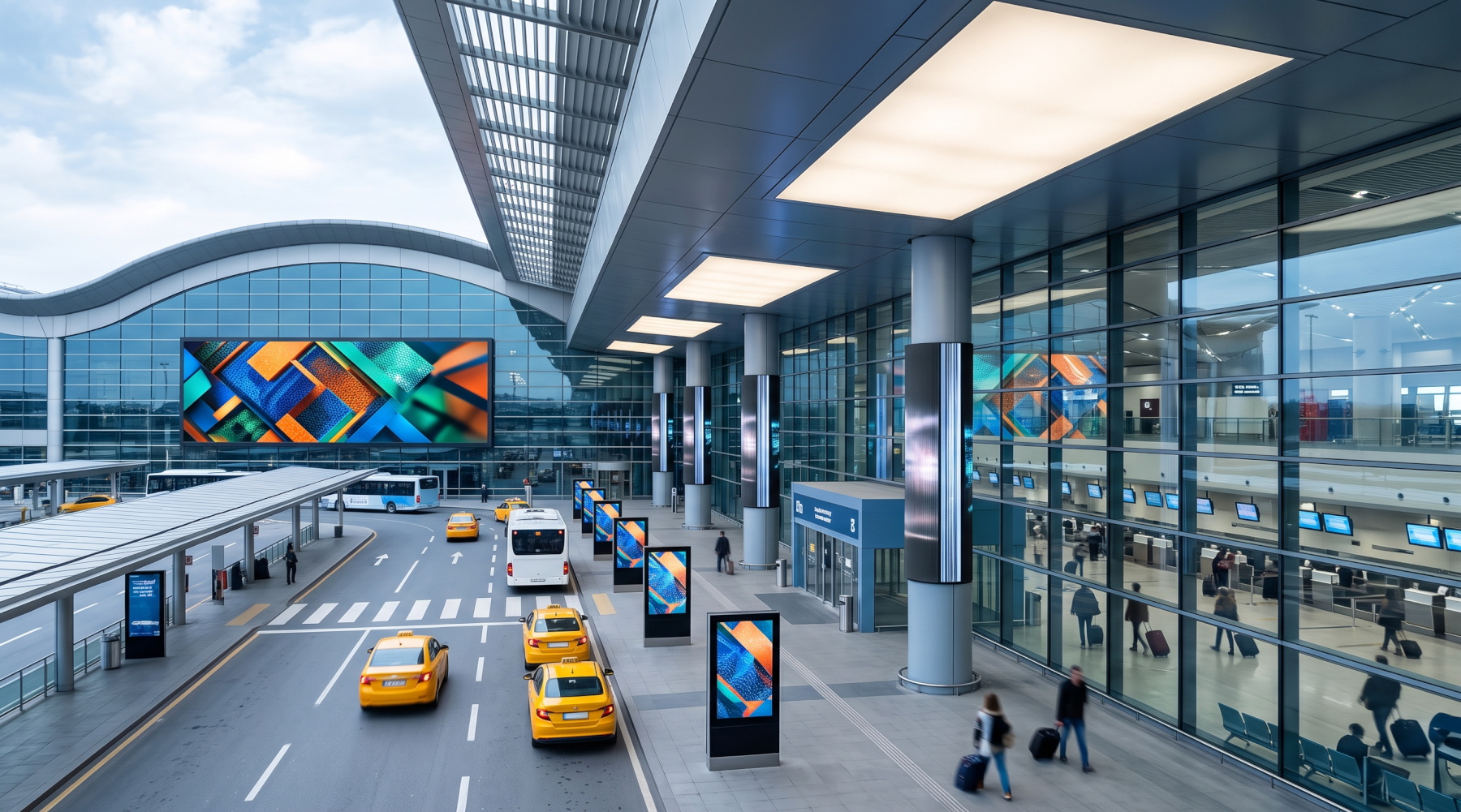
Reach local and international travelers with Sabiha Gokcen Airport advertising. LED screens, digital CLP, lightboxes, terminal media and more by HF media.
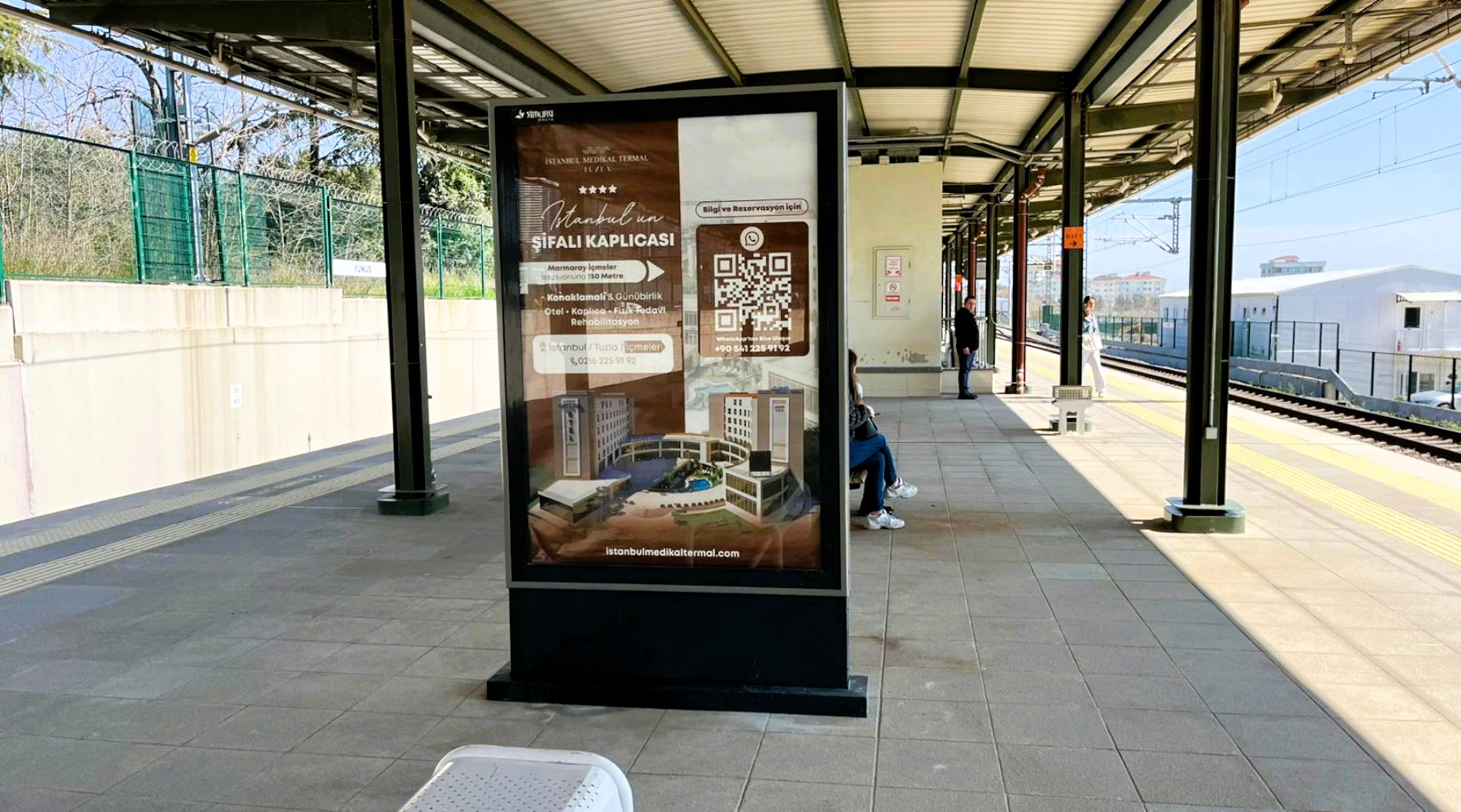
Discover HF media’s Marmaray CLP advertising campaign for Istanbul Medikal Thermal Hotel, featuring 200 advertising locations from Gebze to Halkalı and delivering strong brand visibility across Istanbul.
Discover the development process of Hexagon ISO Software, a web-based quality management system developed by HF media. Learn about requirements analysis, UX design, modular architecture, software development, and quality assurance.